Which Paycheck Deductions Are Pre-Tax? (Pre-Tax vs After-Tax)
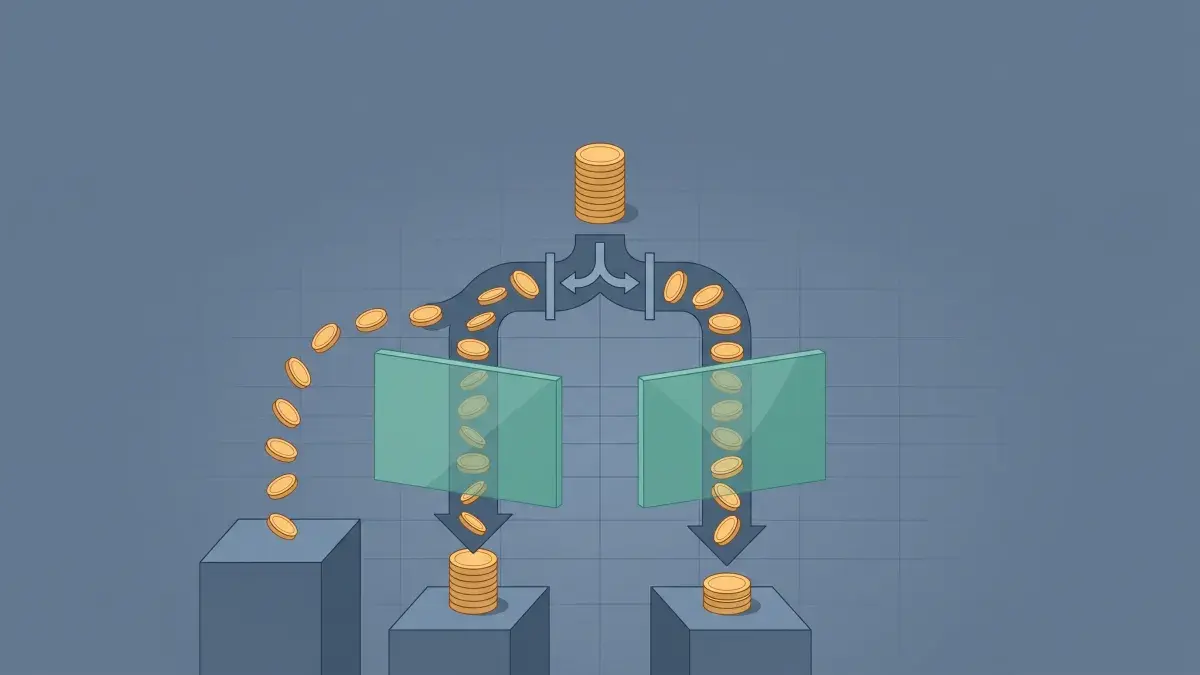
Pre-tax deductions come out of your gross pay before income tax is calculated — and, for some of them, before Social Security and Medicare too — which lowers the wages you get taxed on and shrinks your tax bill. The big pre-tax items are traditional 401(k) contributions, HSA and FSA contributions, and most employer health, dental, and vision premiums (run through a Section 125 “cafeteria” plan), plus qualified commuter benefits. After-tax deductions come out after taxes are figured and give you no break on taxable income: Roth 401(k) contributions, wage garnishments, union dues, and after-tax insurance. The practical rule: a pre-tax dollar costs you less than a dollar of take-home pay; an after-tax dollar costs you the full dollar.
“Is this pre-tax?” is one of the most useful questions you can ask about any paycheck deduction, because the answer changes what the deduction actually costs you. Below is the full list on each side, the one nuance that trips almost everyone up (401(k) and FICA), and how to read which is which straight off your pay stub.
What “Pre-Tax” Actually Does
Your paycheck is processed in layers. Gross pay comes first; then pre-tax deductions are subtracted to arrive at your taxable wages; then taxes are calculated on that smaller number; then after-tax deductions come out. A pre-tax deduction wins twice over an after-tax one of the same size: you avoid tax on the money now, and your paycheck drops by less than the full amount because part of the “cost” is tax you would have paid anyway. For the full order of operations, see how to read a pay stub and gross pay vs net pay.
The Pre-Tax List
- Traditional 401(k), 403(b), 457. Reduce federal (and usually state) income tax. 2026 elective deferral limit is $24,500 per the IRS. Still subject to FICA (see the nuance below).
- HSA contributions via payroll. Exempt from income tax and FICA when made through a Section 125 plan. See HSA vs FSA.
- FSA (health and dependent care). Pre-tax for income tax and FICA; use-it-or-lose-it rules apply.
- Section 125 insurance premiums. Employer medical, dental, and vision premiums, when offered through a cafeteria plan, are exempt from income tax and FICA per IRS Publication 15-B.
- Qualified commuter / transit benefits. Pre-tax up to the monthly IRS limit for transit and parking.
The After-Tax List
- Roth 401(k) / Roth IRA — taxed now, tax-free in retirement.
- Wage garnishments — court-ordered, taken from after-tax pay. See how much of my paycheck can be garnished.
- Union dues and association fees.
- After-tax insurance — some disability and life coverage (paying after-tax can make disability benefits tax-free).
- Charitable payroll deductions.
The Nuance Everyone Misses: 401(k) vs FICA
Not all pre-tax deductions are pre-tax for the same taxes. A traditional 401(k) contribution is excluded from your federal income tax wages (W-2 Box 1), so it cuts your income tax — but it is still counted in your Social Security and Medicare wages (Boxes 3 and 5), so you pay the full 7.65% FICA on it (per IRS Topic 751). HSA, FSA, and Section 125 premiums are the deductions that dodge FICA too. That extra 7.65% is exactly why an HSA earns its “triple tax advantage” reputation.
Which Taxes Each Deduction Escapes
| Deduction | Pre- or after-tax | Cuts income tax? | Cuts FICA? |
|---|---|---|---|
| Traditional 401(k) / 403(b) | Pre-tax | Yes | No |
| HSA (via payroll) | Pre-tax | Yes | Yes |
| FSA (health / dependent care) | Pre-tax | Yes | Yes |
| Health / dental / vision (Section 125) | Pre-tax | Yes | Yes |
| Qualified commuter / transit | Pre-tax | Yes | Yes |
| Roth 401(k) | After-tax | No | No |
| Wage garnishment | After-tax | No | No |
| Union dues | After-tax | No | No |
What Pre-Tax Actually Saves You
Your savings equal the deduction times your combined marginal rate. Say you are a single filer earning $70,000 in the 22% federal bracket:
- $200/paycheck into a traditional 401(k) saves ~$44 in federal income tax (22% × $200) but nothing on FICA — so your take-home drops by about $156, not $200.
- $200/paycheck into an HSA saves ~$44 income tax plus~$15 FICA (7.65%) — about $59 total — so take-home drops by only ~$141.
Same $200, different tax treatment, different real cost. To see the whole gross-to-net picture with your own numbers, run the take-home pay calculator, and for how the tax lines themselves work, see how much taxes are taken out of my paycheck. If you are weighing the pre-tax-now vs tax-free-later trade, our Roth vs traditional 401(k) breakdown runs the math both ways.
How to Tell on Your Pay Stub
Pre-tax deductions almost always appear above the tax withholding lines (or in a section labeled “pre-tax” / “before-tax”), because they are subtracted before tax is computed. After-tax deductions sit belowthe tax lines. If a deduction is lowering the “taxable gross” figure on your stub, it is pre-tax; if it comes off the bottom after taxes, it is after-tax. When in doubt, compare your gross to the “federal taxable wages” box: the gap is your total pre-tax deductions.
Sources and Methodology
401(k) and retirement contribution limits: IRS retirement contribution limits. Cafeteria plans and fringe-benefit tax treatment: IRS Publication 15-B (Employer’s Tax Guide to Fringe Benefits). FICA (Social Security and Medicare) rules: IRS Topic 751. HSA rules: IRS Publication 969. Savings figures use 2026 federal brackets and the 7.65% combined FICA rate. General information, not tax advice; your plan documents govern. Last updated July 25, 2026.
Frequently Asked Questions
See Your Real Take-Home Pay
Enter your salary, filing status, state, and pre-tax deductions. The calculator shows exactly how each pre-tax and after-tax deduction changes your take-home pay per paycheck. Free and instant.
Open Take-Home Pay Calculator →